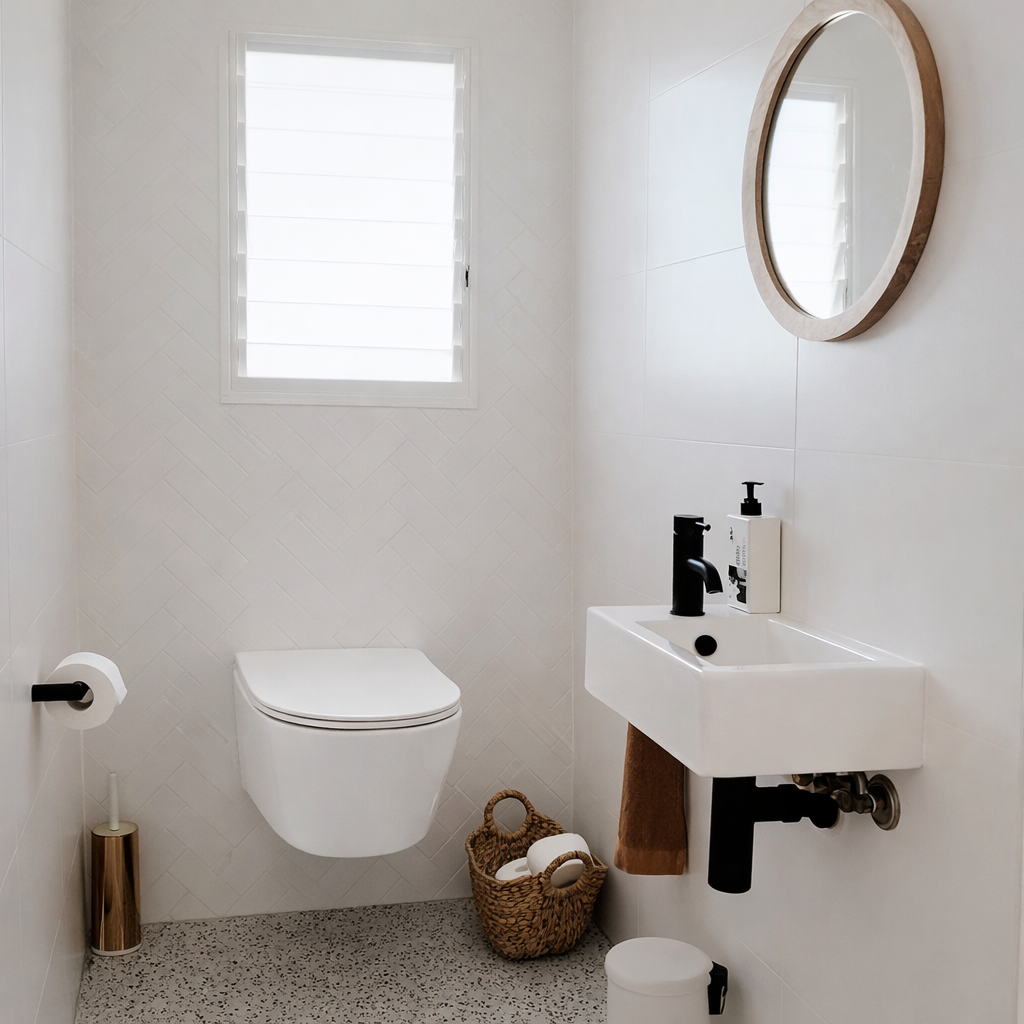
Choosing the right wall-mounted toilet requires more than just aesthetic preference. A well-informed decision should consider actual usage environments, user expectations, and long-term maintenance factors. When selecting a wall hung toilet, understanding different usage scenarios and making a smart needs-based purchasing decision will ensure both functionality and efficiency.
1. Evaluate the Real Usage Environment
Different bathrooms require different configurations. Residential homes, commercial restrooms, hotels, and public facilities all represent unique usage scenarios that influence toilet selection.
In small residential bathrooms, a wall hung toilet is ideal because its concealed tank system saves floor space and creates a minimalist appearance. The floating design also makes cleaning easier. In contrast, commercial settings demand durability and higher flush performance due to frequent use.
Understanding the usage scenarios helps determine:
Load-bearing requirements
Installation wall type (solid wall or drywall with carrier system)
Water pressure compatibility
Required flushing power
A correct needs-based purchasing decision approach begins with identifying where and how the toilet will be used.
2. Match Functional Features to User Needs
After defining the environment, the next step in a needs-based purchasing decision is matching product features to user expectations.
Modern wall hung toilet models offer:
Dual flush systems for water efficiency
Rimless designs for improved hygiene
Soft-close seats for noise reduction
Smart flushing technologies
For family homes, comfort and water-saving functions are often priorities. In high-traffic environments such as office buildings, durability and efficient flushing performance matter more than luxury features.
When evaluating options, consider:
A balanced needs-based purchasing decision strategy ensures that the selected model aligns with daily usage patterns without overspending on unnecessary features.
3. Structural and Installation Considerations
Unlike traditional toilets, a wall hung toilet requires an in-wall carrier frame and concealed tank. Therefore, installation planning is critical.
Key factors include:
In renovation projects, identifying the usage context early prevents costly adjustments later. For new constructions, integrating the carrier system during the design phase allows greater flexibility.
Professional installation is highly recommended to ensure safety and performance stability.
4. Sustainability and Long-Term Value
Water conservation is a major factor in modern bathroom solutions. Many wall-mounted toilets come with eco-friendly certifications and efficient flushing systems.
For environmentally conscious buyers, a needs-based purchasing decision should include:
Water-saving performance
Certification compliance (WaterSense, WELS, etc.)
Durable ceramic materials
Choosing a high-quality wall hung toilet not only enhances bathroom aesthetics but also reduces long-term water consumption and maintenance costs.
READ MORE: